
Richiesta di un preventivo di spedizione
Calcoleremo il prezzo di spedizione non appena ricevuta la tua richiesta.
Richiesta di un preventivo di spedizione
Calcoleremo il prezzo di spedizione non appena ricevuta la tua richiesta.
Potrebbe interessarti anche
Prodotti Sponsorizzati
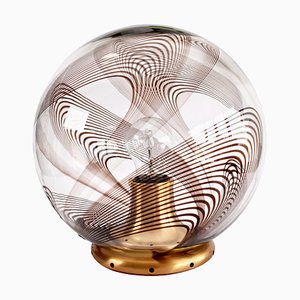
Lampada da tavolo Mid-Century in vetro di Murano di Lino Tagliapietra
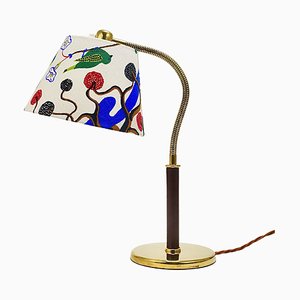
Lampada da tavolo in ottone e pelle di Josef Frank per JT Kalmar, Austria, anni '30
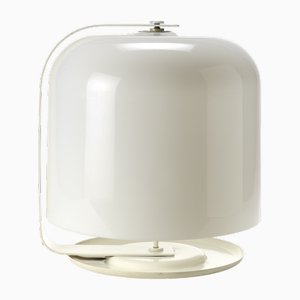
Lampada da tavolo Alvise vintage bianca di Luigi Massoni per Guzzini, 1966
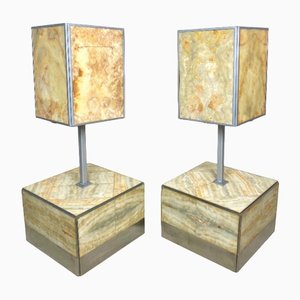
Tavolino in alabastro con lampada di Tommaso Barbi, Italia, anni '70, set di 2
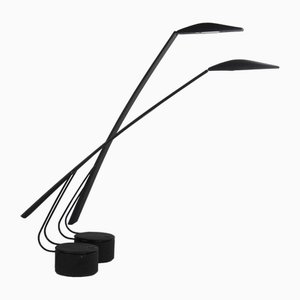
Lampade da scrivania nere di M. Barbaglia & M. Colombo, Italia, anni '80. Set di 2
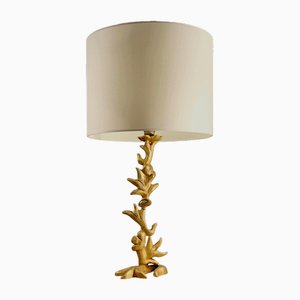
Lampada da tavolo scultorea in metallo dorato di Georges Mathias, Francia, anni '80
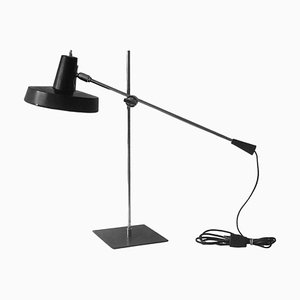
Lampada da tavolo minimalista Bauhaus di JJM Hoogervorst, anni '60
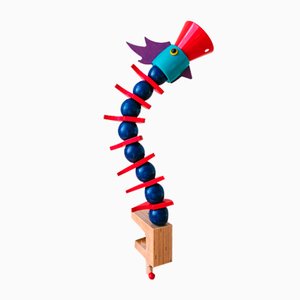
Lampada da scrivania Pop Art di Haba, anni '80
Lampade da tavolo in vetro di Murano di Paolo Venini per Venini, Italia, anni '70, set di 2
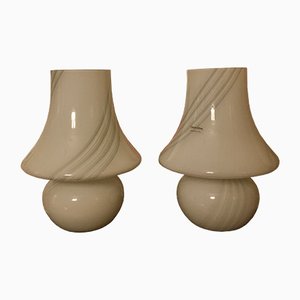
Lampada da scrivania o da tavolo modello 320 di Eileen Gray per Jumo
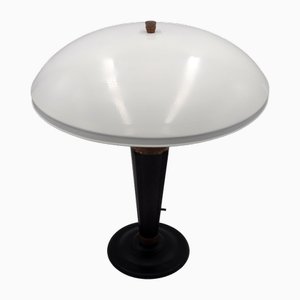
Lampada da tavolo NB100 di Louis Kalff per Philips, anni '50
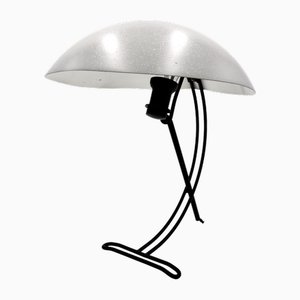
Lampada da tavolo serie 600 vintage di Gino Sarfatti per Arteluce
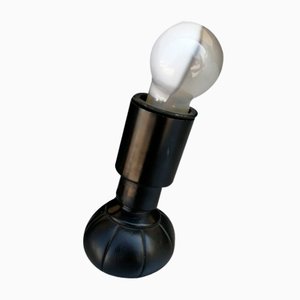
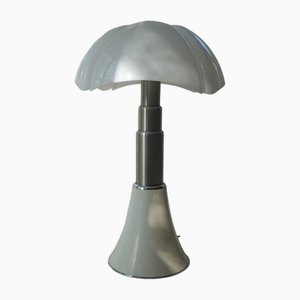
Lampada da tavolo grande Pipistrello di Gae Aulenti per Martinelli Luce, anni '70
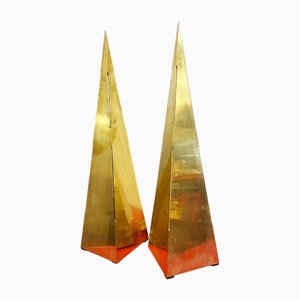
Lampade vintage in ottone, 1970, set di 2
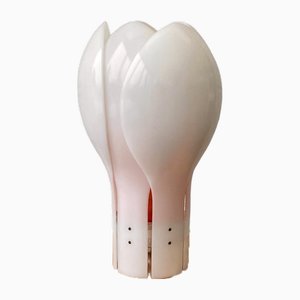
Lampada da tavolo Tulip di Yngve Ekström per Pileprodukter, Svezia, anni '70
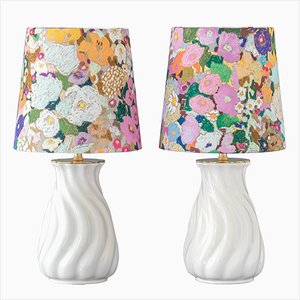
Lampade da tavolo vintage Royal Delft bianche e paralumi House of Hackney, set di 2
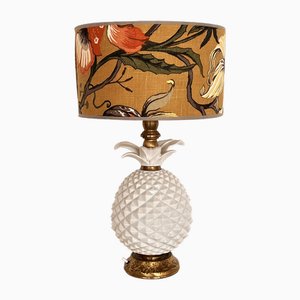
Lampada da tavolo in ceramica a forma di ananas, Italia, anni '70
Lampada da tavolo di Giotto Stoppino per Valenti Luce, Italia, anni '70
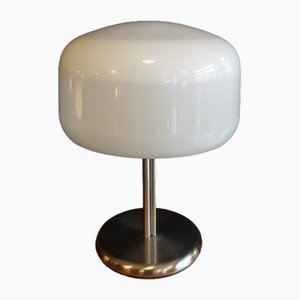
Lampada da tavolo vintage Royal Delft bianca e paralume House of Hackney
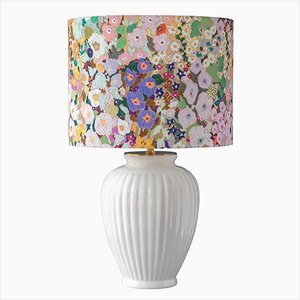
Lampada da tavolo alogena, nello stile di Ettore Sottsass, anni '80
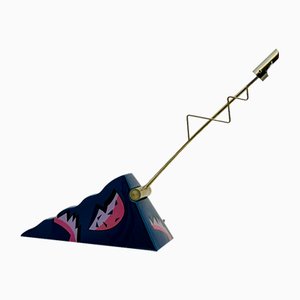
Altri prodotti di questo fornitore
Lampada da tavolo Palace Mid-Century in cristallo di Michael Bang per Holmegaard
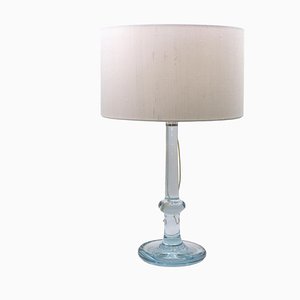
Scultura da parete in bronzo di Chrystiane Charles per Maison Charles, 1970
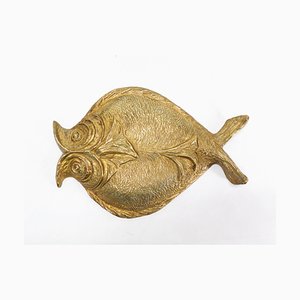
Lampade da parete brutaliste, anni '70, set di 2
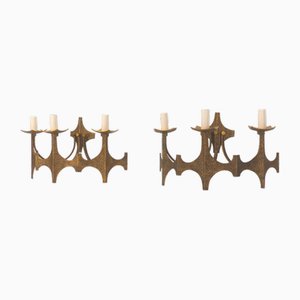
Lampada da tavolo di Inger Persson per Rörstrand, Scandinavia, anni '60
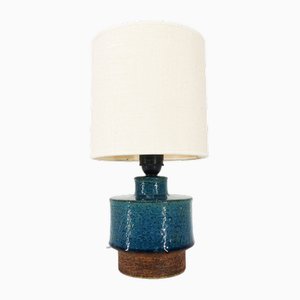
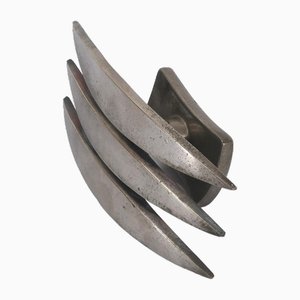
Maniglia brutalista per porta in bronzo argentato, anni '60
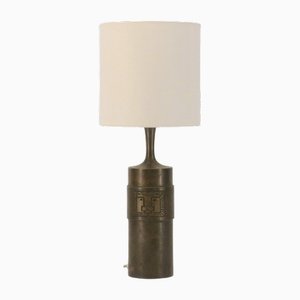
Lampada da tavolo brutalista in bronzo di Stig Blomberg, Scandinavia, anni '60
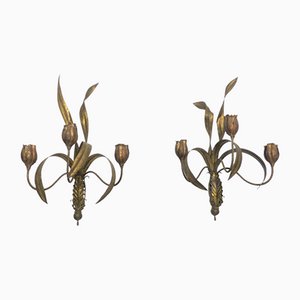
Applique con foglie, set di 2
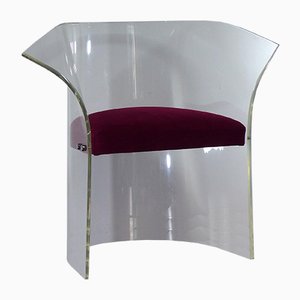
Poltrona vintage in vetro acrilico
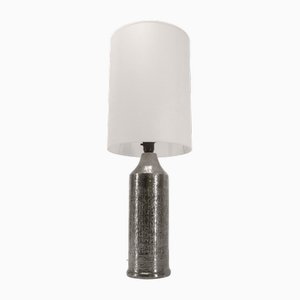
Lampada in ceramica argentata di Bitossi per Bergboms, anni '60
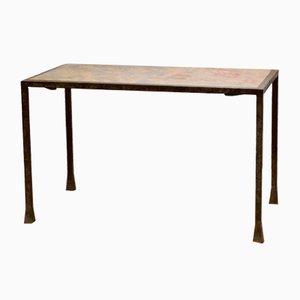
Tavolino da caffè in ferro battuto e marmo
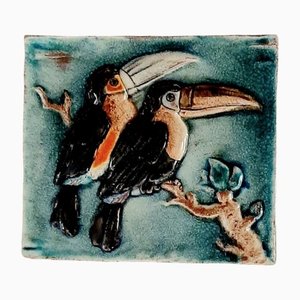
Piatto da parete grande in ceramica di Karlsruher
Lampada da tavolo di Svend Aage Holm Sørensen per Holm Sørensen & Co, Scandinavia, anni '60
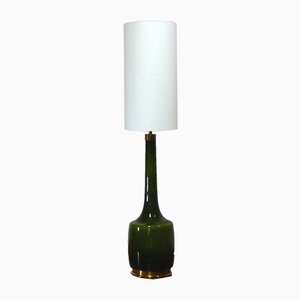
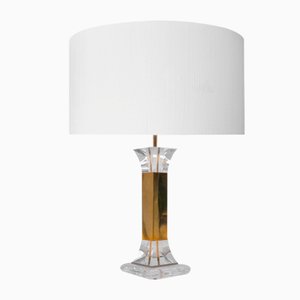
Lampada da tavolo in Acrylglas e ottone
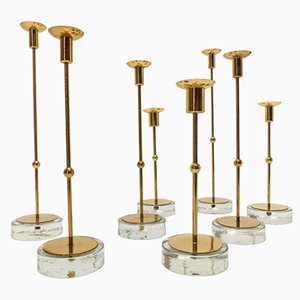
Portacandele di Gunnar Ander per Ystad Metall, Scandinavia, anni '60, set di 8
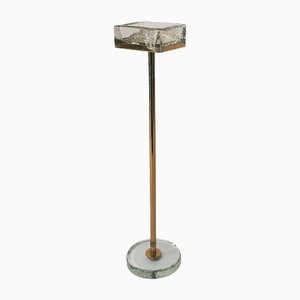
Posacenere di Gunnar Ander per Ystad, Scandinavia, anni '50
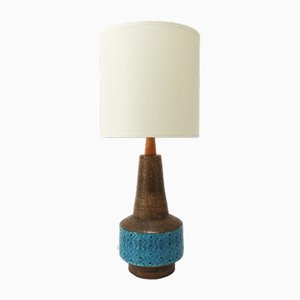
Lampada in ceramica, Scandinavia, 1960
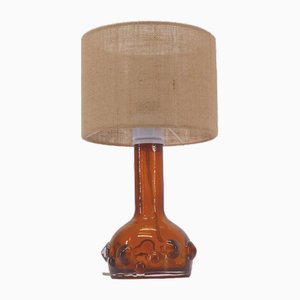
Lampada da tavolo in vetro di Kosta Boda, anni '60
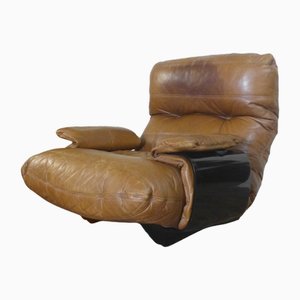
Poltrona Marsala in pelle di Michel Ducoy per Ligne Roset, 1970
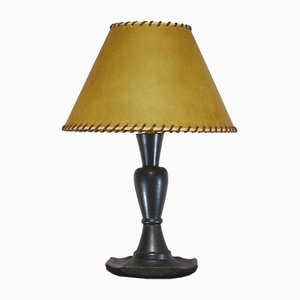
Lampada da tavolo nera in vetro e smaltata, anni '50
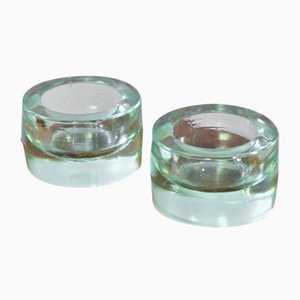
Posacenere rotondi in vetro spesso di Novalux, set di 2
Altri prodotti


Contattaci
Fai un'offerta
Abbiamo notato che sei nuovo su Pamono!
Accetta i Termini e condizioni e l'Informativa sulla privacy
Contattaci
Fai un'offerta
Ci siamo quasi!
Per seguire la conversazione sulla piattaforma, si prega di completare la registrazione. Per procedere con la tua offerta sulla piattaforma, ti preghiamo di completare la registrazione.Successo
Grazie per la vostra richiesta, qualcuno del nostro team vi contatterà a breve.
Se sei un professionista del design, fai domanda qui per i vantaggi del Programma Commerciale di Pamono